
/Foster Resources & Contacts/Training Support for Fosters

Support for Foster Families: Training & Behavior Tips

We are here to support you! While 95% of our dogs adjust quickly, some may struggle with a new environment. If your foster animal exhibits shyness, anxiety, fear, or aggression, please reach out immediately—we will help.
Best Practices

Introductions

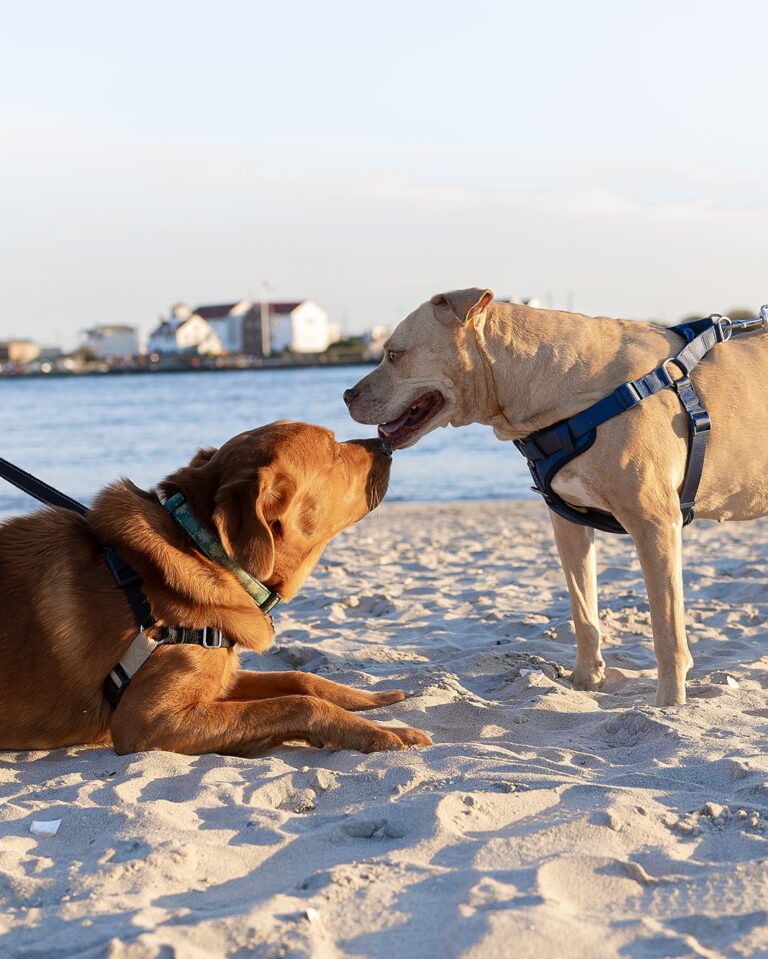
Most of our dogs are dog-friendly, but a slow, controlled introduction is vital for success:

  1. Outdoor Meet-Up: Start by meeting your new foster and current resident dog(s) outside.

  2. Leash Walk: Take them on a neutral walk together to break the ice.

  3. Containment Zone: Give your new foster a gated, separate room (like a laundry room or spare bedroom) to settle in for at least the first 24 hours.

  4. Management Tools: If you notice any tension, immediately use crates and gates to keep the dogs separated or to provide them with necessary breaks from each other.
Behavior Assistance & Training Contacts

If your foster dog is struggling with red-flag behaviors like shyness, anxiety, fear, or aggression, we have resources to help.
Resource Team/Volunteer Name Contact E-mail Purpose
Volunteer Trainers Mike Korsch & Tomi DeCapua Please request contact info from the Medical Team. Guidance and support for training issues like housebreaking, crate training, leash walking, and general obedience.
Medical Team N/A Medical@wag-on-inn.com For initial consultation on behavior issues that may have medical components (e.g., pain causing aggression).
Board Approval for Paid Training WOI Board WOIBoard@wag-on-inn.com If you feel your foster requires a level of professional training beyond what our volunteers can provide, reach out to the Board to discuss potential funding approval.
Note: If an issue arises and the dogs simply cannot coexist, we will move the foster animal to a new foster home or boarding facility as soon as possible.